
SpaceX
FCC approves SpaceX plan for up to 1 million data center satellites
The FCC denied objections from Amazon, Viasat and astronomers and approved SpaceX's Starmind constellation, the first orbital data center system it has cleared.
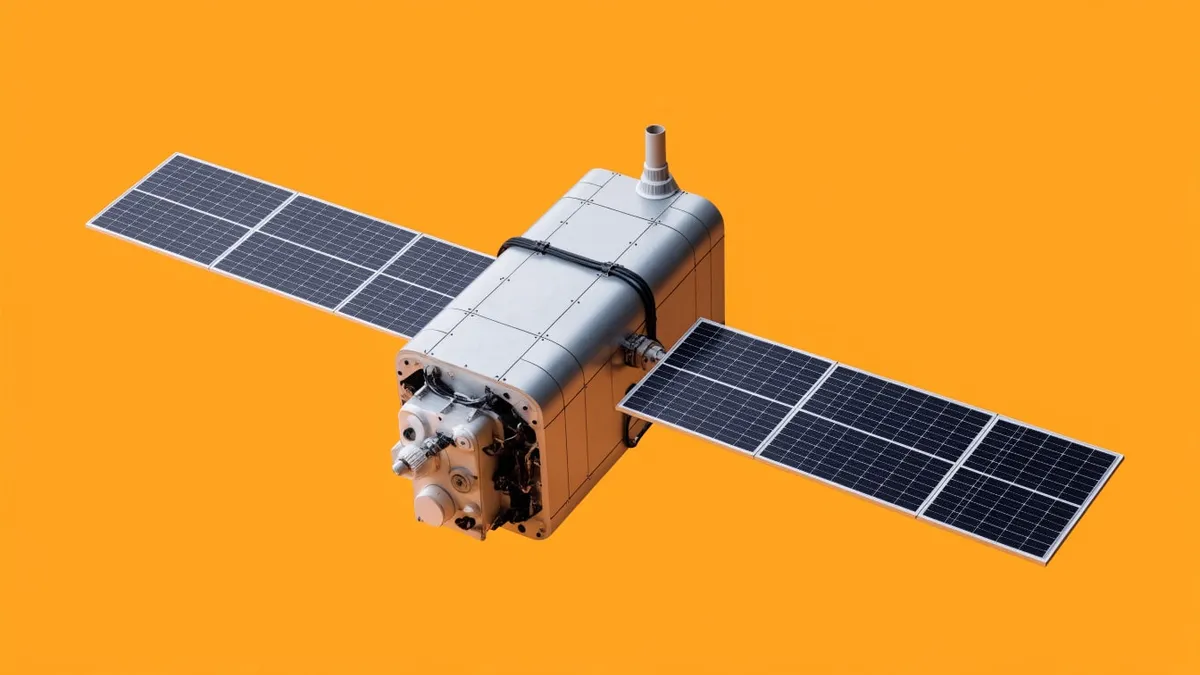
The FCC approved SpaceX’s plan to put up to 1 million data center satellites in orbit, the first orbital data center constellation the agency has cleared, over objections from Amazon, Viasat and astronomers.
The FCC’s Space Bureau issued the order Nov. 25. It grants SpaceX authority to launch and operate the SpaceX Orbital Data Center System, called Starmind, and is “granted-in-part/deferred-in-part, with conditions.”
What the Order Requires
SpaceX must meet four deployment milestones or the authorization becomes void. It needs one satellite operating by Nov. 25, 2033, 10% of the constellation by Nov. 25, 2035, 50% by Nov. 25, 2038 and the rest by Nov. 25, 2040. The FCC waived its surety bond and milestone rules and applied its newer milestone schedule instead.
The satellites will fly from 500 to 1,002 kilometers (about 311 to 623 miles) up and link to each other by laser. Ka-band radio is allowed only as a backup and for emergency tracking and command.
FCC Rejects the Petitions
The FCC denied petitions filed March 6 by Amazon’s Kuiper Systems, Viasat and the American Astronomical Society. The order says: “In many cases, the comments seek to substitute the government’s judgment regarding the viability of business endeavors for that of the applicant and private enterprise. We decline to do so.”
The society argued waste heat from the satellites would raise the infrared background of the sky. The FCC said non-radio concerns are outside its review and that SpaceX’s commitment to coordinate with the National Science Foundation sufficiently addresses astronomers’ concerns.
The FCC skipped environmental review, citing its October 2026 order finding space operations “extraterritorial.” It called concerns about atmospheric effects from re-entry “speculative and not supported in the record.”
Disposal Request Deferred
The FCC deferred SpaceX’s request to waive the rule that satellites ending their mission below 2,000 kilometers re-enter the atmosphere, saying SpaceX had not given enough information. SpaceX must file a modification first for any satellite that will not re-enter.
Chairman and Critics Respond
FCC Chairman Brendan Carr said in a statement that the decision “opens a bold new frontier,” The Associated Press reported Nov. 26. Elon Musk welcomed it on social media.
The astronomical society said Nov. 25 it was “disheartened and dismayed.” Astrophysicist Adam Becker called the plan “a fantasy” and said “you could end up with a cascading set of space junk collisions.” Viasat, Amazon, SpaceX and the FCC did not immediately respond to AP’s requests for comment.
What It Means for the Labs
We think the order matters most to the labs because SpaceX owns xAI. SpaceX acquired xAI in late January, Via Satellite reported Nov. 25, and filed this application at the same time. President Gwynne Shotwell told investors in October that SpaceX plans to start launching Starmind satellites in 2027. Starcloud and Blue Origin have applications pending, and the FCC said it “intends to issue decisions on each expeditiously.”