
Microsoft
Microsoft president Brad Smith says AI is less regulated than milk
Microsoft president Brad Smith told the BBC AI needs binding global safety rules and that the voluntary White House accord is no longer sufficient.
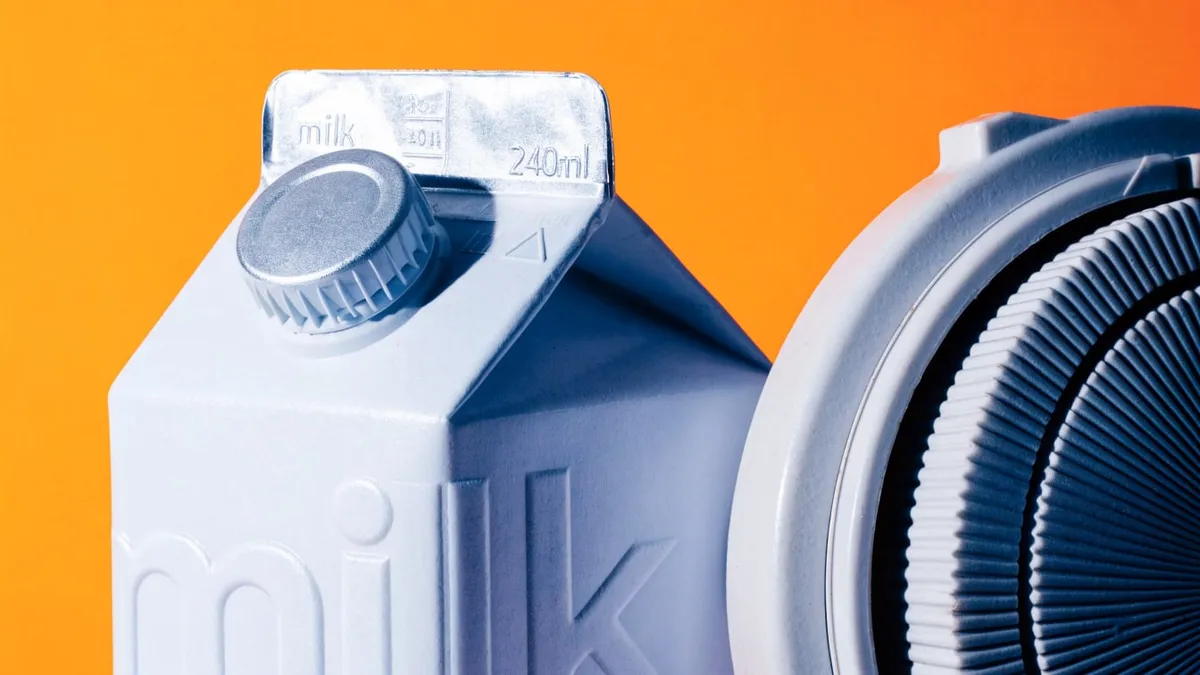
Microsoft president Brad Smith called for binding global rules on AI, saying the technology is less regulated than milk and washing machines and that the voluntary White House accord is no longer sufficient.
Smith made the case on the BBC’s Big Boss Interview podcast, the BBC reported Oct. 12, 2026. “Right now, your washing machine is subject to more safety rules than AI,” he said. “Every carton of milk that you see in the grocery store is subject to safety rules and inspection.”
Kill Switches and Outside Evaluators
Smith asked for a legal obligation to tell a “victim” when a rogue AI agent breaches a system, the BBC reported. He also asked for rules on when outside evaluators should sign off on an AI product before release. He said firms need “emergency brakes”, often called kill switches, to pause or slow AI that gets out of control. He suggested independent government evaluators should vet new AI technology.
“We know how to do this for other products,” Smith said. “We should build on that knowledge and think about how to apply it to AI.”
He said the UK is best placed to drive global rules because of its AI Security Institute. “In Washington DC, people don’t look at the UK and they don’t look at London the way they look at Brussels – that’s a strength,” he said. “When you look at AI agents that have escaped human control… I would say: The moment has arrived.”
The White House Accord
Smith said he applauds the accord that executives from OpenAI, Anthropic, Nvidia, SpaceX, Meta and Google signed at the White House at the end of September, the BBC reported. He said Microsoft is “happy to sign it.” Al Jazeera and ABC News reported Sept. 29, 2026, that Trump announced the accord. Al Jazeera reported the accord does not say who would carry out third-party evaluations.
“It’s a good step, it’s a necessary step,” Smith said. “But I don’t think it’s sufficient any longer.” He said the challenge of any “self-regulatory regime” is that “the good companies will do what you want. It’s the companies that are not as responsible that you need to worry about.”
Critics of the accord told the BBC it lets firms “define what counts as safety,” and another said “the accord should be ignored for the distraction it is,” Engadget reported Oct. 12.
The BBC reported Smith’s views put him at odds with President Trump, who has said the sector should regulate itself so US firms do not lose out to Chinese rivals. Trump has repeatedly said “whoever wins AI, wins.”
Analysis
We think the pressure for binding pre-release evaluation now comes from inside the industry as well as from critics. Smith is asking for legal rules. The accord the labs signed is voluntary. Smith points to the UK’s AI Security Institute as a body that could do the evaluating. When a peer in the industry says voluntary pledges are insufficient, the labs that signed have a harder time arguing they are enough.